When a person's mind is on fire, the indications rarely look like they carry out in the motion pictures. I've seen crises unravel as an abrupt shutdown throughout a team meeting, an agitated telephone call from a moms and dad claiming their boy is blockaded in his space, or the quiet, flat statement from a high entertainer that they "can not do this any longer." Mental wellness emergency treatment is the technique of noticing those very early sparks, reacting with ability, and directing the person towards safety and security and specialist help. It is not therapy, not a medical diagnosis, and not a repair. It is the bridge.

This structure distills what experienced -responders do under pressure, after that folds in what accredited training programs educate so that daily people can act with confidence. If you operate in HR, education, hospitality, building, or social work in Australia, you may currently be anticipated to serve as a casual mental health support officer. If that obligation evaluates on you, good. The weight implies you're taking it seriously. Ability transforms that weight right into capability.
What "first aid" actually means in mental health
Physical first aid has a clear playbook: examine threat, check feedback, open airway, stop the bleeding. Mental health and wellness emergency treatment requires the exact same tranquil sequencing, however the variables are messier. The individual's danger can change in mins. Personal privacy is fragile. Your words can open up doors or slam them shut.
A useful interpretation helps: mental health and wellness first aid is the immediate, deliberate support you provide to somebody experiencing a mental wellness obstacle or dilemma until specialist help action in or the crisis deals with. The goal is temporary safety and connection, not long-term treatment.
A dilemma is a turning factor. It might involve suicidal thinking or habits, self-harm, panic attacks, extreme stress and anxiety, psychosis, compound intoxication, severe distress after trauma, or an intense episode of clinical depression. Not every crisis is visible. An individual can be grinning at reception while rehearsing a deadly plan.
In Australia, several accredited training paths instruct this response. Programs such as the 11379NAT Course in Initial Response to a Mental Health Crisis exist to standardise skills in work environments and areas. If you hold or are looking for a mental health certificate, or you're discovering mental health courses in Australia, you've likely seen these titles in program directories:
- 11379 NAT course in initial feedback to a mental health crisis First aid for mental health course or first aid mental health training Nationally certified training courses under ASQA accredited courses frameworks
The badge serves. The knowing beneath is critical.
The detailed reaction framework
Think of this structure as a loophole instead of a straight line. You will certainly take another look at steps as information adjustments. The concern is constantly safety, after that connection, after that sychronisation of specialist aid. Here is the distilled sequence used in crisis mental health reaction:
1) Check safety and security and established the scene
2) Make contact and lower the temperature
3) Assess risk directly and clearly
4) Mobilise assistance and specialist help
5) Safeguard self-respect and useful details
6) Shut the loophole and paper appropriately
7) Follow up and protect against relapse where you can
Each step has nuance. The ability comes from exercising the manuscript enough that you can improvise when real individuals don't adhere to it.
Step 1: Inspect security and set the scene
Before you talk, scan. Safety and security checks do not announce themselves with sirens. You are trying to find the mix of setting, people, and items that can escalate risk.
If a person is very agitated in an open-plan office, a quieter space minimizes excitement. If you're in a home with power devices lying around and alcohol unemployed, you note the threats and change. If the person remains in public and attracting a crowd, a stable voice and a small repositioning can create a buffer.
A short work story shows the compromise. A storage facility supervisor observed a picker resting on a pallet, breathing quick, hands trembling. Forklifts were passing every minute. The supervisor asked a coworker to pause traffic, after that led the worker to a side office with the door open. Not shut, not secured. Closed would have felt caught. Open indicated much safer and still private sufficient to speak. That judgment telephone call maintained the discussion possible.
If tools, dangers, or unrestrained physical violence appear, call emergency situation services. There is no reward for handling it alone, and no plan worth more than a life.
Step 2: Make contact and reduced the temperature
People in dilemma read tone quicker than words. A low, stable voice, simple language, and a posture angled somewhat to the side instead of square-on can lower a feeling of battle. You're aiming for conversational, not clinical.
Use the individual's name if you understand it. Offer options mental health training evaluations where possible. Ask permission before relocating closer or taking a seat. These micro-consents restore a sense of control, which often lowers arousal.
Phrases that aid:
- "I rejoice you told me. I wish to recognize what's taking place." "Would it aid to sit somewhere quieter, or would you favor to remain below?" "We can address your pace. You don't have to tell me everything."
Phrases that prevent:
- "Calm down." "It's not that poor." "You're overreacting."
I when spoke with a student who was hyperventilating after getting a falling short quality. The first 30 secs were the pivot. Rather than testing the response, I stated, "Allow's slow this down so your head can capture up. Can we count a breath with each other?" We did a short 4-in, 4-hold, 6-out cycle two times, after that shifted to speaking. Breathing didn't repair the problem. It made communication possible.
Step 3: Analyze danger directly and clearly
You can not support what you can not name. If you presume suicidal reasoning or self-harm, you ask. Straight, plain concerns do not dental implant ideas. They surface reality and provide alleviation to somebody lugging it alone.
Useful, clear inquiries:
- "Are you thinking of suicide?" "Have you thought of just how you might do it?" "Do you have access to what you would certainly make use of?" "Have you taken anything or hurt yourself today?" "What has maintained you safe previously?"
If alcohol or other medications are involved, consider disinhibition and damaged judgment. If psychosis exists, you do not say with deceptions. You secure to security, sensations, and useful next steps.
An easy triage in your head helps. No strategy stated, no ways at hand, and solid safety variables may indicate reduced immediate threat, though not no threat. A certain plan, access to methods, recent rehearsal or attempts, material use, and a feeling of sadness lift urgency.
Document psychologically what you listen to. Not everything requires to be written down instantly, however you will utilize details to coordinate help.
Step 4: Mobilise assistance and expert help
If threat is moderate to high, you broaden the circle. The precise path relies on context and location. In Australia, typical alternatives consist of calling 000 for immediate danger, contacting local crisis evaluation teams, assisting the person to emergency departments, using telehealth crisis lines, or engaging work environment Worker Support Programs. For pupils, campus wellbeing teams can be gotten to rapidly during service hours.
Consent is important. Ask the person that they trust. If they refuse get in touch with and the risk looms, you might require to act without grant protect life, as permitted under duty-of-care and appropriate legislations. This is where training repays. Programs like the 11379NAT course in initial response to a mental health crisis show decision-making frameworks, escalation thresholds, and how to engage emergency situation solutions with the appropriate level of detail.
When calling for aid, be succinct:
- Presenting problem and danger level Specifics regarding plan, indicates, timing Substance usage if known Medical or psychological history if pertinent and known Current area and safety risks
If the person requires a health center see, consider logistics. That is driving? Do you need an ambulance? Is the person safe to transport in an exclusive automobile? A typical mistake is presuming a colleague can drive somebody in severe distress. If there's unpredictability, call the experts.
Step 5: Protect self-respect and useful details
Crises strip control. Bring back little selections protects self-respect. Deal water. Ask whether they would certainly like an assistance individual with them. Maintain wording respectful. If you require to entail safety and security, explain why and what will certainly occur next.
At work, secure confidentiality. Share only what is necessary to collaborate safety and security and instant assistance. Supervisors and human resources require to recognize sufficient to act, not the person's life story. Over-sharing is a violation, under-sharing can take the chance of safety and security. When doubtful, consult your policy or an elderly that understands privacy requirements.
The exact same puts on composed records. If your organisation calls for incident paperwork, stay with visible realities and direct quotes. "Sobbed for 15 mins, stated 'I do not wish to live like this' and 'I have the tablets in the house'" is clear. "Had a meltdown and is unsteady" is judgmental and vague.
Step 6: Close the loop and document appropriately
Once the prompt danger passes or handover to experts happens, shut the loop appropriately. Validate the plan: that is contacting whom, what will certainly occur next, when follow-up will take place. Deal the individual a duplicate of any type of get in touches with or mental health improvement courses appointments made on their part. If they need transportation, prepare it. If they refuse, assess whether that refusal changes risk.
In an organisational setup, record the case according to plan. Good documents safeguard the individual and the responder. They additionally enhance the system by recognizing patterns: repeated crises in a specific area, issues with after-hours protection, or persisting problems with access to services.
Step 7: Follow up and avoid regression where you can
A dilemma usually leaves particles. Sleep is bad after a frightening episode. Embarassment can sneak in. Workplaces that treat the individual warmly on return tend to see far better end results than those that treat them as a liability.
Practical follow-up matters:
- A short check-in within 24 to 72 hours A plan for modified duties if job anxiety contributed Clarifying who the continuous calls are, including EAP or primary care Encouragement toward accredited mental health courses or abilities groups that construct dealing strategies
This is where refresher course training makes a distinction. Skills fade. A mental health correspondence course, and especially the 11379NAT mental health correspondence course, brings -responders back to standard. Short situation drills once or twice a year can reduce doubt at the crucial moment.
What effective -responders really do differently
I've viewed novice and skilled responders handle the exact same situation. The veteran's benefit is not passion. It is sequencing and borders. They do less points, in the best order, without rushing.
They notification breathing. They ask straight questions without flinching. They explicitly specify next actions. They understand their limitations. When somebody requests recommendations they're not qualified to offer, they state, "That exceeds my duty. Allow's generate the right support," and after that they make the call.
They also recognize culture. In some groups, admitting distress seems like handing your area to somebody else. A straightforward, specific message from management that help-seeking is anticipated adjustments the water everyone swims in. Building capacity throughout a group with accredited training, and documenting it as component of nationally accredited training needs, helps normalise support and reduces worry of "getting it incorrect."
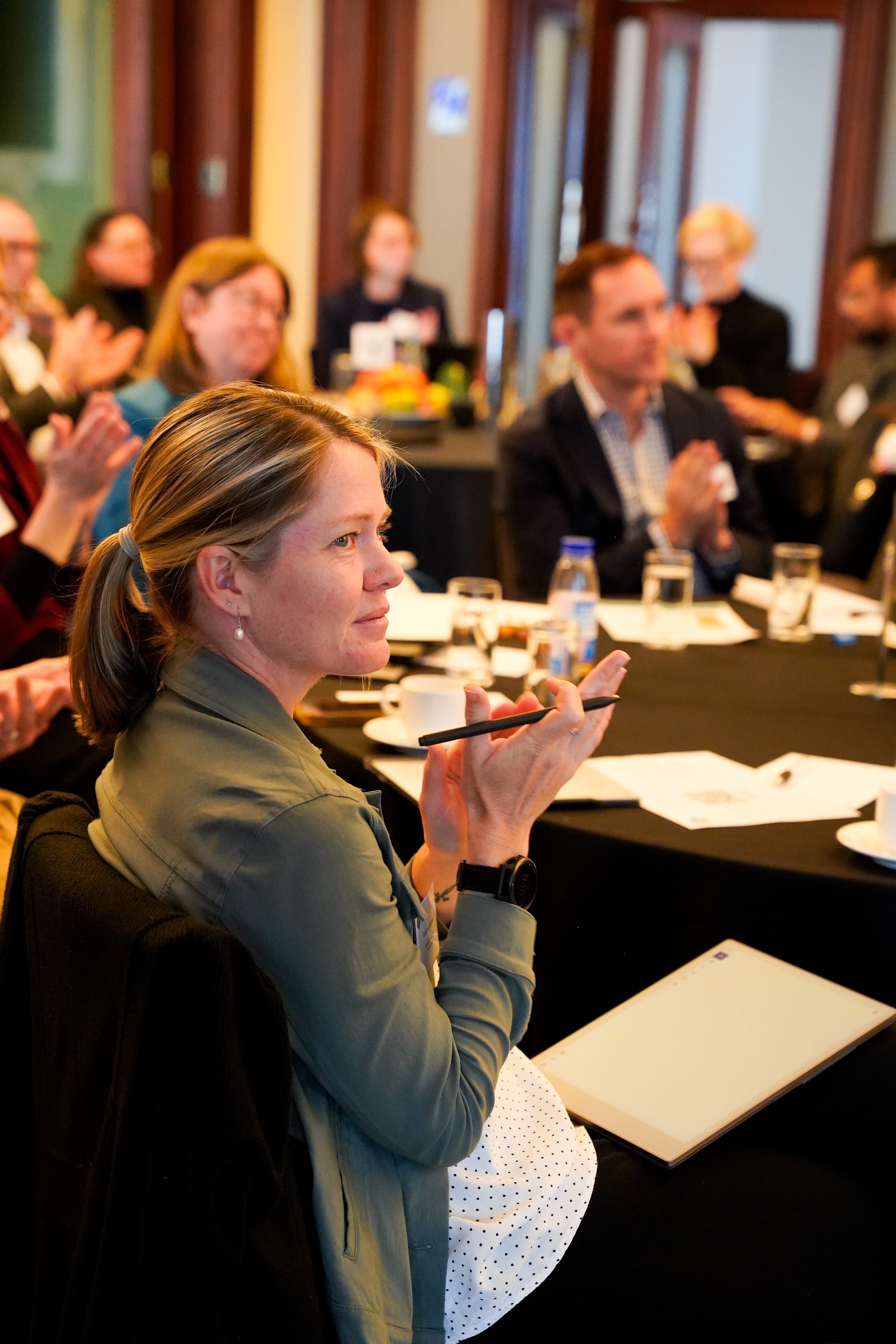
How accredited training fits, and why the 11379NAT path matters
Skill beats a good reputation on the worst day. A good reputation still matters, yet training hones judgment. In Australia, accredited mental health courses sit under ASQA accredited courses structures, which indicate constant criteria and assessment.
The 11379NAT course in initial response to a mental health crisis concentrates on immediate action. Participants discover to identify crisis types, conduct risk conversations, offer emergency treatment for mental health in the moment, and work with following steps. Analyses normally include sensible situations that train you to talk the words that really feel hardest when adrenaline is high. For offices that want recognised capability, the 11379NAT mental health course or related mental health certification choices sustain conformity and preparedness.
After the first credential, a mental health refresher course assists maintain that ability to life. Numerous carriers supply a mental health correspondence course 11379NAT choice that presses updates into a half day. I've seen groups halve their time-to-action on danger discussions after a refresher course. People obtain braver when they rehearse.
Beyond emergency reaction, wider courses in mental health develop understanding of conditions, interaction, and recuperation structures. These complement, not change, crisis mental health course training. If your role entails normal call with at-risk populations, combining first aid for mental health training with continuous expert growth produces a safer atmosphere for everyone.
Careful with boundaries and role creep
Once you establish skill, people will seek you out. That's a gift and a danger. Fatigue waits on -responders who bring too much. Three pointers shield you:
- You are not a specialist. You are the bridge. You do not maintain dangerous keys. You escalate when safety demands it. You should debrief after considerable incidents. Structured debriefing prevents rumination and vicarious trauma.
If your organisation doesn't offer debriefs, advocate for them. After a difficult case in a community centre, our group debriefed for 20 mins: what went well, what fretted us, what to enhance. That small routine kept us operating and less likely to pull away after a frightening episode.
Common risks and how to stay clear of them
Rushing the conversation. People often press remedies prematurely. Invest even more time listening to the tale and calling danger before you point anywhere.
Overpromising. Claiming "I'll be here anytime" feels kind yet develops unsustainable assumptions. Offer concrete windows and trustworthy contacts instead.
Ignoring substance usage. Alcohol and medications don't clarify everything, however they change threat. Inquire about them plainly.
Letting a strategy drift. If you consent to comply with up, set a time. 5 mins to send a schedule invite can keep momentum.
Failing to prepare. Crisis numbers published and readily available, a quiet room determined, and a clear rise pathway lower smacking when minutes issue. If you serve as a mental health support officer, develop a small set: cells, water, a notepad, and a get in touch with list that consists of EAP, neighborhood dilemma teams, and after-hours options.
Working with particular dilemma types
Panic attack
The individual may feel like they are dying. Validate the fear without reinforcing tragic analyses. Sluggish breathing, paced checking, basing via senses, and short, clear statements aid. Stay clear of paper bag breathing. As soon as stable, discuss following actions to avoid recurrence.
Acute suicidal crisis
Your emphasis is safety and security. Ask straight about strategy and means. If means are present, safe them or get rid of gain access to if risk-free and legal to do so. Involve specialist aid. Remain with the individual up until handover unless doing so increases risk. Urge the individual to recognize one or two reasons to survive today. Short perspectives matter.
Psychosis or serious agitation
Do not challenge misconceptions. Prevent crowded or overstimulating atmospheres. Keep your language simple. Deal selections that sustain safety and security. Think about clinical review swiftly. If the individual is at risk to self or others, emergency solutions might be necessary.
Self-harm without self-destructive intent
Risk still exists. Treat wounds appropriately and seek medical analysis if needed. Check out function: alleviation, punishment, control. Assistance harm-reduction methods and link to expert aid. Prevent corrective reactions that enhance shame.
Intoxication
Security initially. Disinhibition enhances impulsivity. Prevent power battles. If danger is uncertain and the individual is dramatically damaged, involve clinical assessment. Strategy follow-up when sober.
Building a society that decreases crises
No single responder can counter a culture that penalizes susceptability. Leaders must establish expectations: psychological health is part of safety and security, not a side problem. Installed mental health training course involvement right into onboarding and management growth. Identify personnel who design early help-seeking. Make emotional security as visible as physical safety.
In high-risk sectors, an emergency treatment mental health course rests alongside physical emergency treatment as standard. Over twelve months in one logistics company, including first aid for mental health courses and monthly scenario drills reduced crisis escalations to emergency by about a 3rd. The crises really did not vanish. They were caught earlier, handled more comfortably, and referred more cleanly.
For those seeking certifications for mental health or discovering nationally accredited training, scrutinise providers. Try to find knowledgeable facilitators, practical circumstance job, and placement with ASQA accredited courses. Ask about refresher course tempo. Check exactly how training maps to your plans so the skills are made use of, not shelved.

A compact, repeatable script you can carry
When you're in person with somebody in deep distress, intricacy reduces your self-confidence. Maintain a small psychological script:
- Start with safety: setting, things, that's around, and whether you need backup. Meet them where they are: constant tone, short sentences, and permission-based choices. Ask the tough question: straight, considerate, and unwavering concerning suicide or self-harm. Widen the circle: bring in ideal assistances and professionals, with clear details. Preserve self-respect: personal privacy, approval where possible, and neutral documentation. Close the loop: validate the strategy, handover, and the following touchpoint. Look after on your own: quick debrief, boundaries intact, and timetable a refresher.
At initially, saying "Are you thinking of suicide?" feels like stepping off a walk. With practice, it ends up being a lifesaving bridge. That is the shift accredited training purposes to produce: from anxiety of stating the incorrect point to the routine of claiming the essential thing, at the right time, in the appropriate way.
Where to from here
If you're responsible for security or wellbeing in your organisation, established a little pipeline. Identify personnel to complete a first aid in mental health course or an emergency treatment mental health training choice, prioritise a crisis mental health course/training such as the 11379NAT, and timetable a mental health refresher 6 to twelve months later. Tie the training right into your plans so escalation paths are clear. For people, take into consideration a mental health course 11379NAT or comparable as component of your professional advancement. If you currently hold a mental health certificate, keep it active through recurring practice, peer discovering, and a mental health and wellness refresher.
Skill and care together alter outcomes. Individuals make it through harmful evenings, go back to deal with self-respect, and restore. The individual who starts that procedure is typically not a medical professional. It is the associate that discovered, asked, and stayed constant till help got here. That can be you, and with the ideal training, it can be you on your calmest day.